
Jumpstart Your Child’s Lifetime Flossing Habit
MOST PARENTS ARE pretty good about getting their kids to brush. Two minutes, twice a day, with a pea-sized dollop of toothpaste. But flossing? That’s where even the most diligent families tend to fall short. The truth is, flossing isn’t optional, even for little teeth. And the habits your child builds now will follow them for life. Here’s how to make flossing a natural, painless part of your family’s routine.
Start Earlier Than You Think
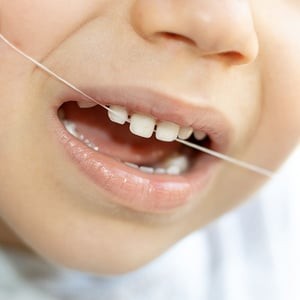
The American Academy of Pediatric Dentistry recommends that parents begin flossing their child’s teeth as soon as two teeth touch side by side. For many children, that happens around age two or three. At this stage, you’re doing the flossing for them, but that’s exactly the point. Early exposure means children grow up viewing flossing as a normal, expected part of oral care, not a dreaded add-on.
Use the Right Tools
Standard floss can be tricky for little mouths and even trickier for parents trying to navigate tiny teeth. Floss picks are a great starter option because they’re easy to hold and require less coordination. As your child gets older and more dexterous, typically around age seven or eight, you can introduce traditional floss and teach them the proper wrapping technique. Water flossers are another option for kids who have a hard time with string floss, and they can make the whole process feel more like a game.
Build It Into the Routine
Habits stick when they’re attached to something that already happens automatically. Since your child is already brushing before bed, make flossing the step that comes right before. Same time, same place, every night. Consistency is more important than perfection in the early stages. Even if the technique isn’t quite right yet, the routine itself is building something valuable.
https://www.youtube.com/watch?v=tknY79dFqc4
Make It Fun
Kids respond to novelty and reward. Let your child pick out their own floss picks in their favorite color or a fun character design. Play a short song during flossing time so they know how long to keep going. Use a simple sticker chart to track consecutive nights of flossing, and celebrate milestones together. None of this has to be elaborate. Small moments of enthusiasm from a parent go a long way.
Model the Behavior
Children learn what they live. If they see you flossing every night, they absorb the message that this is simply what people do. Floss together at the sink. Let them watch. Make it a shared, ordinary moment rather than a chore you’re assigning to them.
Be Patient With the Process
Learning to floss correctly takes time. Your child won’t have perfect technique right away, and that’s fine. Focus on building consistency first, and refine the method over time. Your pediatric dentist is a great resource at every checkup to give age-appropriate guidance and encouragement directly to your child. Children who grow up flossing regularly carry that habit into adulthood, protecting their gums, preventing decay between teeth, and setting themselves up for a lifetime of better oral health.
The payoff for starting early is enormous!
Flossing for Kids: Frequently Asked Questions
When should I start flossing my child’s teeth?
You should begin flossing as soon as two of your child’s teeth touch side by side. For many children, this happens around age two or three. At first, parents should do the flossing for them to help establish the habit early.
Is flossing really necessary for baby teeth?
Yes. Flossing removes plaque and food particles from between teeth where brushing can’t reach. Even baby teeth need this protection to prevent cavities, gum irritation, and future dental problems.
Who should floss my child’s teeth?
Parents should floss for young children until they have the coordination to do it properly on their own. Most kids can start learning to floss independently around age seven or eight, with supervision and guidance.
What type of floss is best for kids?
Floss picks are often the easiest option for young children because they’re easier to hold and maneuver in small mouths. As kids grow older, you can transition them to traditional string floss. Water flossers can also be helpful for children who struggle with regular floss.
How can I make flossing part of our daily routine?
The easiest way is to attach flossing to an existing habit. Have your child floss right before brushing their teeth at bedtime, in the same place, at the same time each night. Consistency matters more than perfect technique at first.
How can I make flossing fun for my child?
Let your child choose floss picks in fun colors or designs, play a short song during flossing time, or use a simple reward system like a sticker chart. Small, positive experiences help kids stay motivated.
What if my child doesn’t floss perfectly?
That’s completely normal. Learning proper flossing technique takes time. Focus on building the habit first, then gradually improve technique as your child grows more comfortable. Your pediatric dentist can offer helpful guidance during checkups.
Should I floss my own teeth in front of my child?
Yes. Children learn by watching their parents. Flossing together shows them that flossing is a normal, everyday part of oral care—not a chore.
What are the long‑term benefits of starting flossing early?
Children who floss regularly are more likely to continue the habit into adulthood. Early flossing helps protect gums, prevent cavities between teeth, and sets the foundation for lifelong oral health.
The content on this blog is not intended to be a substitute for professional medical advice, diagnosis, or treatment. Always seek the advice of qualified health providers with questions you may have regarding medical conditions.